

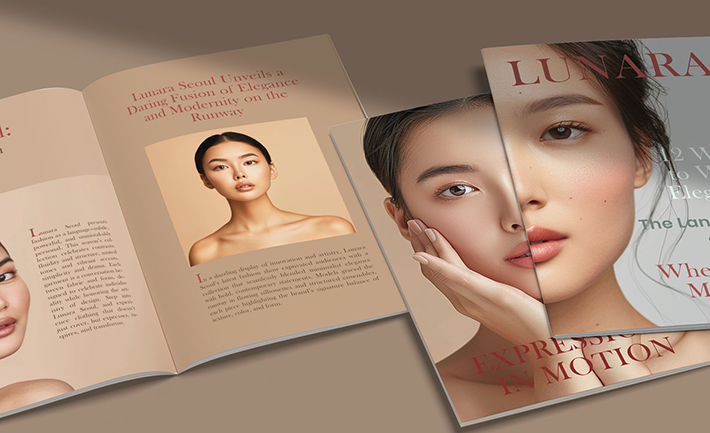
A good business brochure gives customers something useful to take away after a conversation. A remodeling company can leave one with a homeowner after an estimate. A venue can give one to a couple after a tour. When those customers sit down later to compare their options, the brochure helps them remember what the business offers and why it might be a good fit.
It Gives Customers the Information They Came For
The most useful brochure answers the questions customers are likely to ask before they call, book, or visit. For a venue, that could mean how many guests it can accommodate, which spaces are available, and what’s included in a rental. For a remodeling company, it might be the kinds of projects it handles and what happens during the first consultation.
You don’t need to fit every service into one brochure. A piece that covers a few services clearly can be more useful than one that gives each service a single line. The right amount of detail depends on when customers receive it and what they already know about your business.
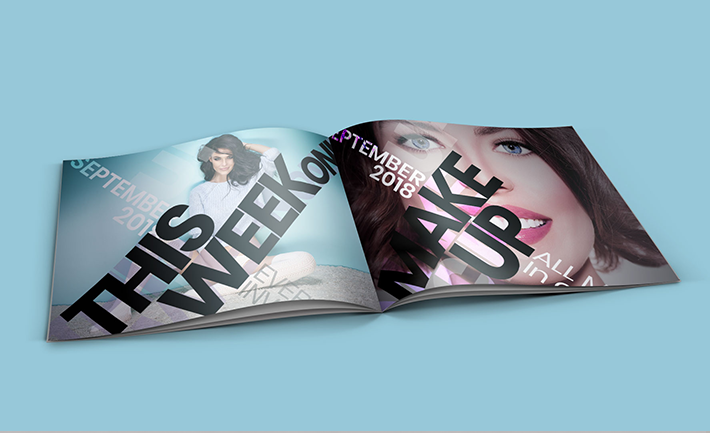
It Shows What Makes Your Business Worth Considering
“Quality work” is easy to say. A photo of a finished project, with a short explanation of what the customer needed and how you handled it, gives that claim meaning.
For example, a remodeling company could show a kitchen renovation and explain how it added storage without changing the room’s footprint. That gives homeowners an idea of what the company could do in a similar home. A designer can help select the photos and write captions that make those details clear.
It Fits the Way You’ll Use It
A brochure handed out at a trade show has a different job from one used in a client meeting. At a busy event, a compact brochure can introduce the business and give people an easy way to follow up. During a consultation, a larger brochure can give customers room to compare services, see project photos, or refer to specific details later.
Where you’ll use the brochure is one of the most useful things to tell your designer. It helps determine how much content you need, how large the photos should be, and which print format makes sense for your budget.
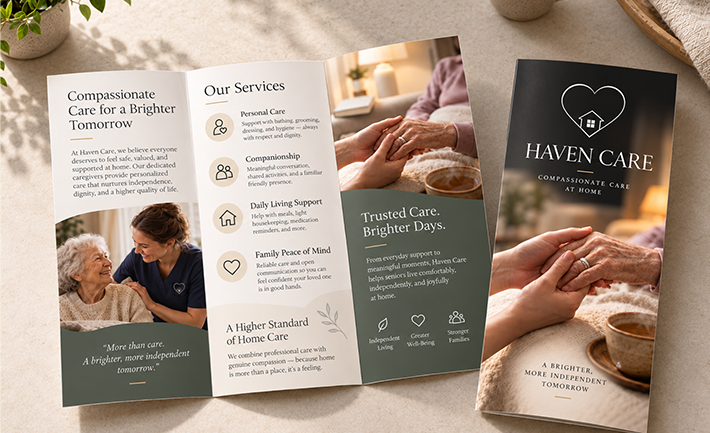
It Makes the Next Step Clear
After reading the brochure, customers should know how to move forward. That could mean calling for an estimate, scheduling a tour, or visiting a page to see more examples. A specific invitation such as “Schedule a Tour” tells readers what to expect when they get in touch.
Final Thoughts
A useful brochure starts with what customers need to know and what your business can show them. If you’re planning one, bring your designer a few of the questions customers ask most often and some examples of work you’re proud of. Those details give the brochure a purpose and help it sound like your business.
Orange Graphics designs custom brochures for businesses. If you’re planning a brochure design project, contact us at https://orangegraphics.us/contact/.